A Sledgehammer for Vancouver’s Rental Market
Sean Orr wants to punish landlords; renters will pay the price
Goodman Report
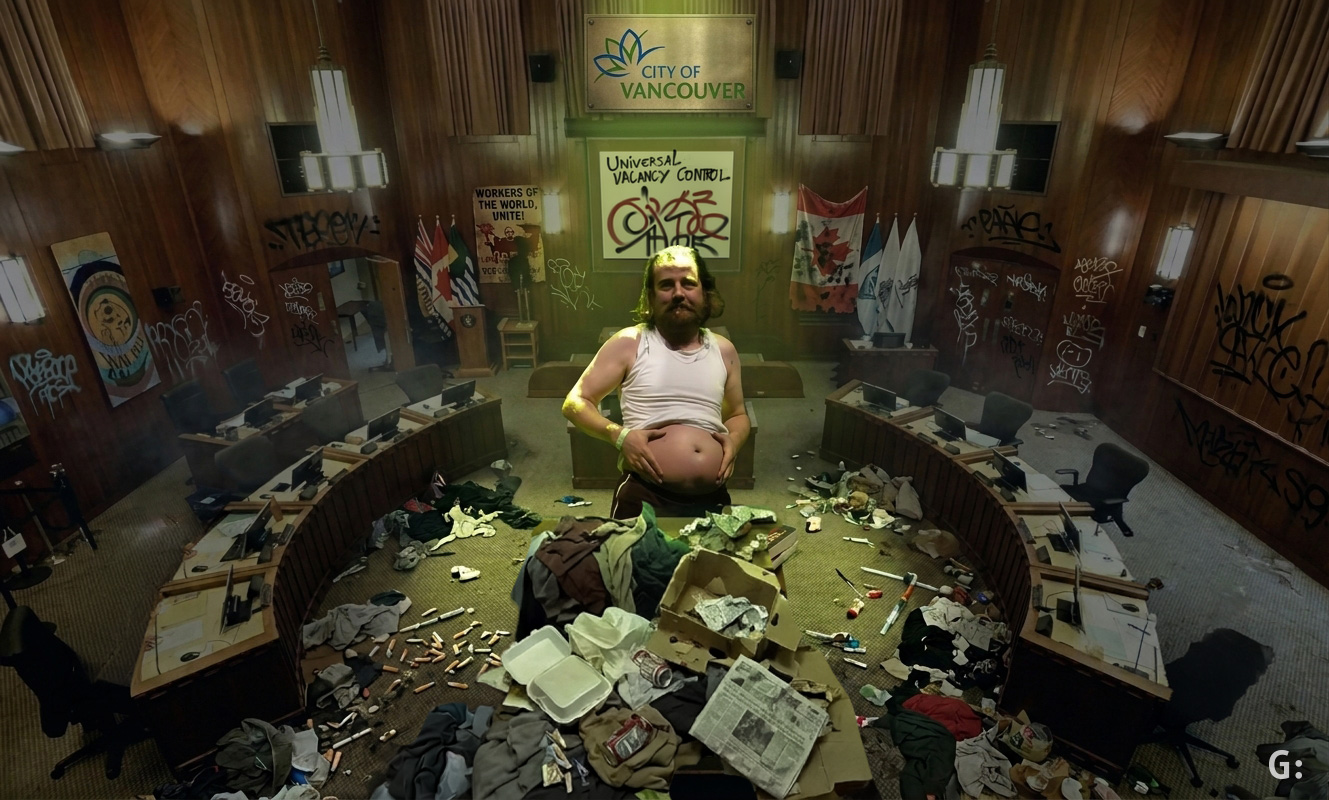
The leftist leader in Vancouver’s new “progressive super majority” has wasted no time in signalling a damaging, ideological policy assault on the city’s landlords and investors.
Just over two weeks after being sworn in, the self-described socialist Councillor Sean Orr is urging City Council to create a Universal Tenant Rights By-law – a harmless-sounding name for a governmental sledgehammer that could crush housing investment in the city.
Universal vacancy control. 100% developer-funded bridge housing. City-mandated repairs. A tenant oversight board with “randomly selected” members. Legal recognition of tenant unions. A “fit and proper” test for landlords, allowing Council to decide who can own property. These are all policy proposals that imply a City government can simply order the private sector to foot the bill for housing – actual economics be damned.
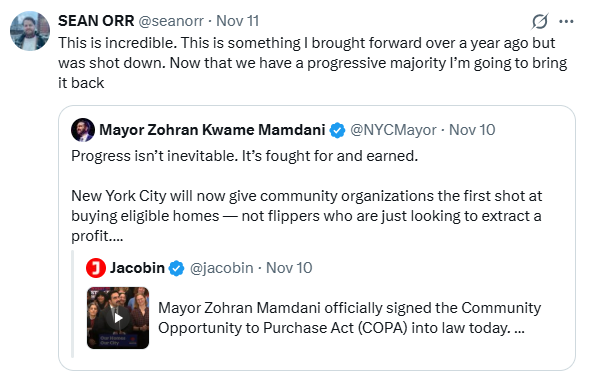
If it wasn’t enough for Orr to suggest the City should be able to “criminalize” practices of which he disapproves, a power it does not have, the COPE councillor also took to social media proclaiming his intention to follow New York City Mayor Zohran Mamdani in bringing forward a right of first refusal, restricting the sale of apartment buildings until non-profits have an opportunity to negotiate a deal first.
Proposals like these were once easy to dismiss; it’s obvious on jurisdictional issues alone that Orr is unserious. But he’s not just a returning COPE councillor. Mayor Pete Fry began this session by nominating Orr as his first Deputy Mayor, and Fry has said he expects to lean on Orr as COPE’s caucus leader. So now, whether or not any of Orr’s ideological provocations could survive a legal challenge, the message to investors is clear: Expect intervention. Expect that you, the investment community, will be constantly in the crosshairs, blamed and invoiced for every government failure to create and maintain the conditions necessary to ensure an adequate stock of housing.
It will be telling, now, to see how Mayor Fry and the rest of Council react to Orr’s advocacy; anything less than a firm rebuke will signal a difficult four years and the shattering of any hope for balance and partnership in tackling the problem of housing Vancouver’s population, present and future.
What’s lost in this hostility toward landlords is that Vancouver needs private capital to build, hold, and maintain enough rental housing for the people who live here. No level of government can replace it. Private capital does not like undue friction. If it becomes too onerous to own and manage buildings in Vancouver, investors and lenders will move elsewhere. Chasing capital from the market might appeal to many who voted for Sean Orr, but with fewer new buildings to meet future growth, repairs deferred, and an aging stock that no one can afford to renew, the true costs, inevitably, will fall on renters.
It is perverse – and tragic – that Orr should have launched this new attack during a rare period of oversupply in Vancouver’s historically constrained rental market. With radically slowed immigration, a sluggish economy, and a healthy flow of new rental product conceived and financed during the previous market cycle, tenants are enjoying an unusual amount of choice in where to live
and an uncommon ability to negotiate terms. Many have taken advantage of the opportunity to move into modern new housing with all the bells and whistles, freeing up the more-affordable housing they leave behind.
These are the very conditions those on the pro-supply side of the argument point to as evidence of what works. When there is enough housing to meet demand, tenants gain leverage without the need for punitive policy.
But these conditions won’t last. Housing starts have already slowed, and even without obstructive new regulations, developers are having to cancel a growing list of approved projects because the numbers no longer pencil. Council should be spending its time figuring out how to remove the roadblocks preventing those homes from being built, not courting a return to the tight vacancy that Vancouver renters know all too well.
This city can’t afford a sideshow. If Council is spending staff time and money drafting – and defending in court – unhelpful policies of doubtful jurisdiction, it is draining the resources available for the services Vancouver residents are counting on.
Chasing bogeymen may be good politics, but it won’t help renters. The strongest protection a tenant can have is choice, and that only exists in a market with enough homes that landlords must compete by treating their tenants well and keeping their buildings in good shape.
Mayor Fry has promised to be a moderate, and his first vote on this agenda is the place to prove it.
So what can you do?
We urge you to email and call City Council and the Mayor and ask them to oppose this motion on November 18 and focus staff resources instead on policies that encourage investment in rental housing. Vancouver’s tenants are best served when owning and operating rental buildings remains a viable business.