Do nothing, protest everything: Metro mayors’ approach to housing
Local politicians cry foul over provincial intervention, even as their own decisions continue to choke off any hope for progress
Goodman Report
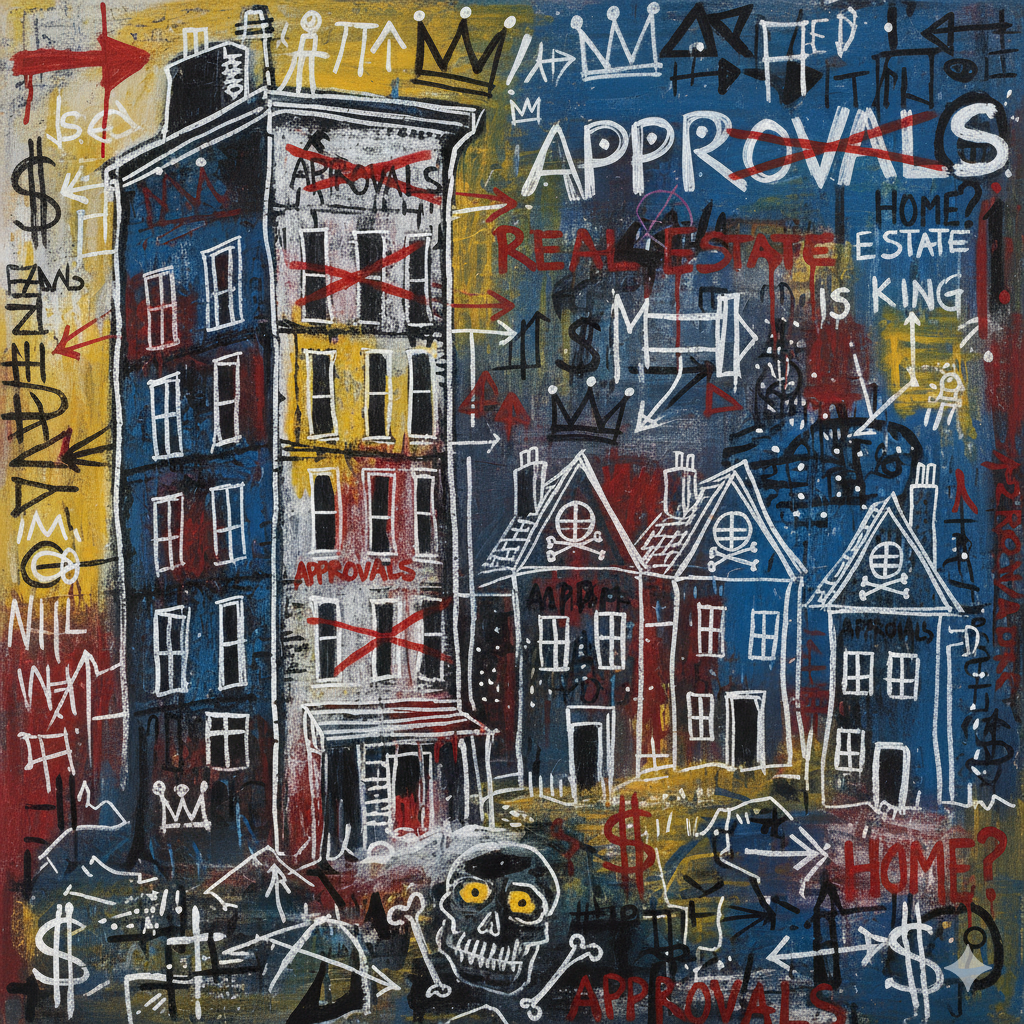
Every time the provincial government tries to speed up housing development (as it is threatening to do again with a private members bill from NDP MLA George Anderson), municipal politicians howl about jurisdictional overreach. And yet they continue to drag their feet while approving policies that all but guarantee housing shortages just around the corner.
Within local government, staff have begun to acknowledge there are deep problems. At a Metro Vancouver Mayors’ Committee meeting this month, CMHC and municipal staff delivered a sobering picture of the home building industry: presales are frozen, financing has dried up, construction costs remain stubbornly high, and approved projects are stalling due to reduced viability.
It’s not just condo projects that are suffering – amid falling rents and an uncertain investment market, rental developers are feeling the pinch, too. In their latest Housing Targets progress report, City of Vancouver staff noted: “Rental developers have started reporting viability challenges with projects that have yet to secure construction financing or for projects that are in early planning stages.”
Housing starts, a lagging indicator, are about to crater.
Anyone who has been paying attention might think this is an issue to get in front of. If projects aren’t viable and home building falls off a cliff, it’s only a matter of time before we return to plummeting vacancy rates and rising rents and condo prices.
But many local politicians evidently don’t see it that way. After hearing staff’s presentation about the deteriorating economic outlook, Metro Vancouver board chair and Burnaby Mayor Mike Hurley shrugged: “I don’t see that there’s anything more that we can do.” Back in March, at a Goodman Commercial-sponsored forum, Mayor Hurley touted Burnaby’s 25,000 approved homes – as if the approvals themselves were the goal. (Burnaby isn’t alone: Vancouver has 28,000 approved but unbuilt homes, Surrey has another 45,000 with conditional approvals.) “It’s not the municipality,” Hurley insists. “Once approvals are made, how homes actually get built is up to the market.”
Municipalities may not be able to build the houses, but they can strip away outdated policies – relics of a long gone boom – that now choke off development. Instead, Hurley and his council have chosen to make matters worse; in the middle of this year, they allowed the in-stream rate protection on new Development Cost Charges (DCCs) for those stalled 25,000 units to expire. At a time when developers are already struggling to get a shovel in the ground, that raised DCCs by over 900%, adding $23,000 to the cost of every unit.
The pattern repeated in New Westminster, where staff recently presented third party data showing that New West’s new development charges and proposed inclusionary housing requirements effectively limit condo projects to a 12% return, at best. Rental projects max out at 6%. Even if they wanted to take a chance in this highly uncertain market, no developer can get financing at those rates.
New West’s response? Astonishingly, councillors directed staff to increase the recommended inclusionary housing percentage.
And there is more to come. Over the next few months, Metro Vancouver’s highly controversial DCC ratchets up again, and in-stream rate protection expires. In the five years between 2022 – when most of these approved projects started towards entitlements – and 2027, regional DCCs will have increased 952%, another $19,000 per unit in added costs.
In Burnaby, that’s a 10x increase, adding a combined $41,000 to every new unit, yet leadership feels there’s nothing more that could be done.
If municipal politicians want to keep this interventionist provincial government out of their lane, approving policies that reduce supply is an odd strategy.
Whether by rethinking how we fund community infrastructure, or abandoning the failed inclusionary housing experiment, more can and should be done, now, by all levels of government to ensure these approved homes are actually built.